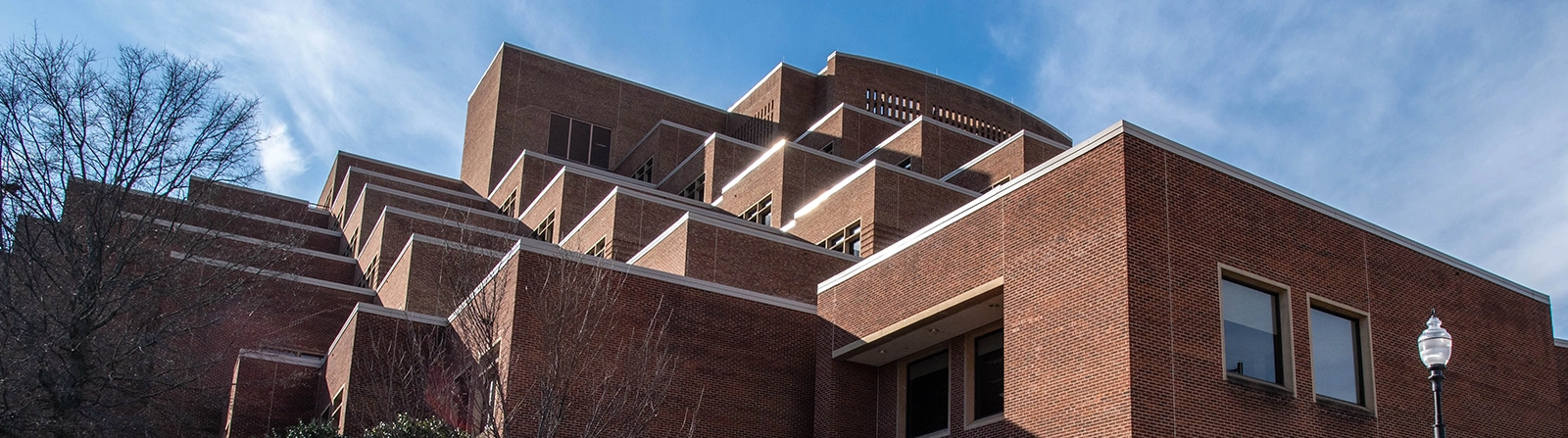
Top 10 Things You Should Know About UT Libraries
UT’s three libraries offer more services than you think. Here are the top ten things you should know about the libraries:
1. We’re here to help. By chat, text, phone, email, walk-in, or by appointment — from finding an article to the most perplexing research problem — librarians are here to help. Check out all your options for research assistance online.
2. Every area of study has its own librarian. The university’s Subject Librarians are experts in their academic disciplines. They understand the research methods and know the specialized literature in their fields. Chemistry? There’s a librarian for that. Architecture? There’s a librarian for that. Find yours on our website. There are even librarians who specialize in data and digital scholarship and scholarly publishing and expanding the impact of your research.
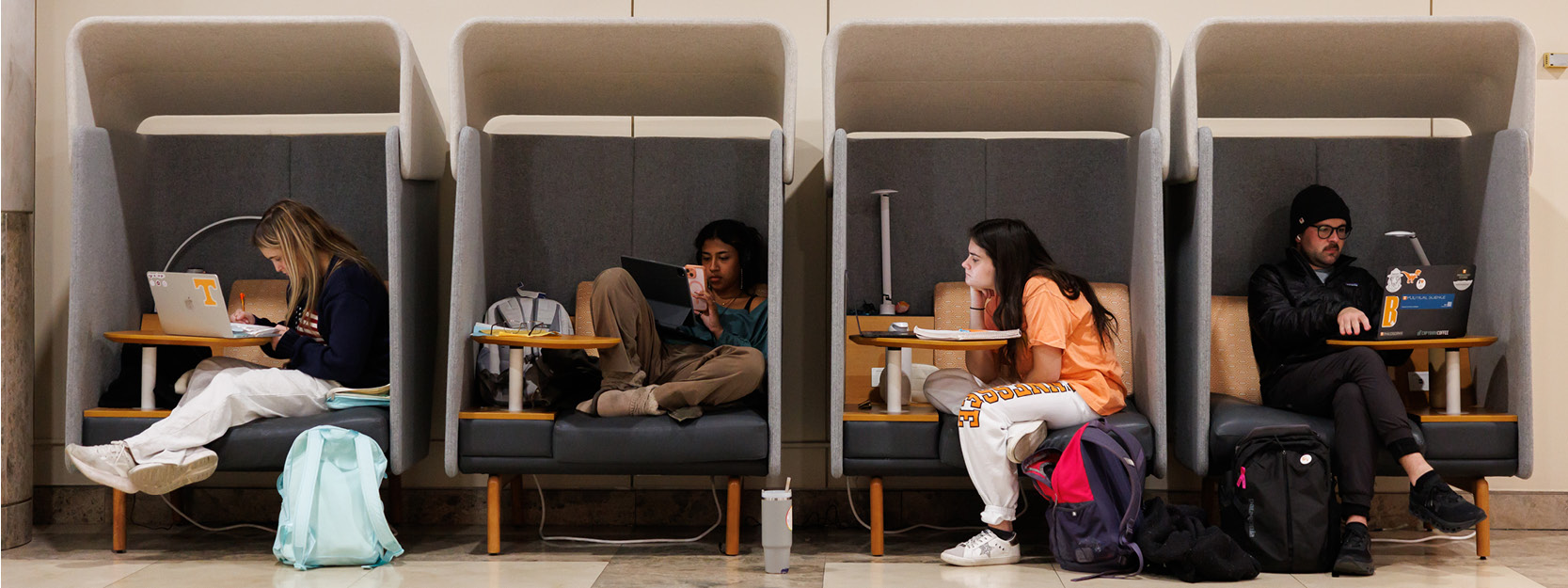
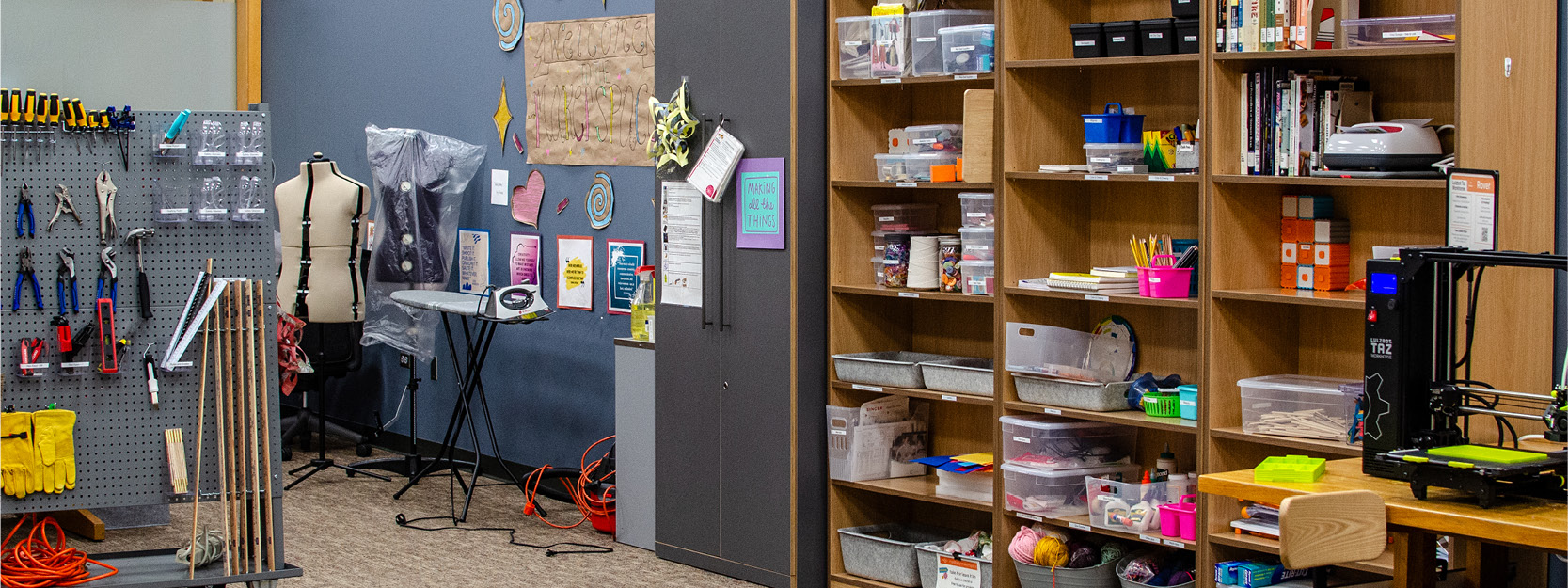
3. There’s a study space in the library to accommodate every learning style. In the Hodges Library there are Quiet Study floors (floors 1, 4, 5) and Group Study floors, commonly known as talking floors (floors 2, 3, 6). There are quiet nooks for individual study. There are Study Rooms and Practice Presentation Rooms where you can rehearse for that big speech. Are you a hands-on learner? Try out our Medbery Makerspace. Explore spaces and reserve study rooms online.
4. From academic coaching to tutoring in math, there’s all kinds of help right there, in the library. The Vol Study Center, The Math Place, the Public Speaking Center, and the Writing Center all have locations in the Commons on the 2nd floor of Hodges Library.
5. In addition to books, the library lends laptops and video cameras. Through the library, you have access to all the latest technology (laptops, video cameras, lighting kits … you name it). Here is a full list of equipment available from the Commons.
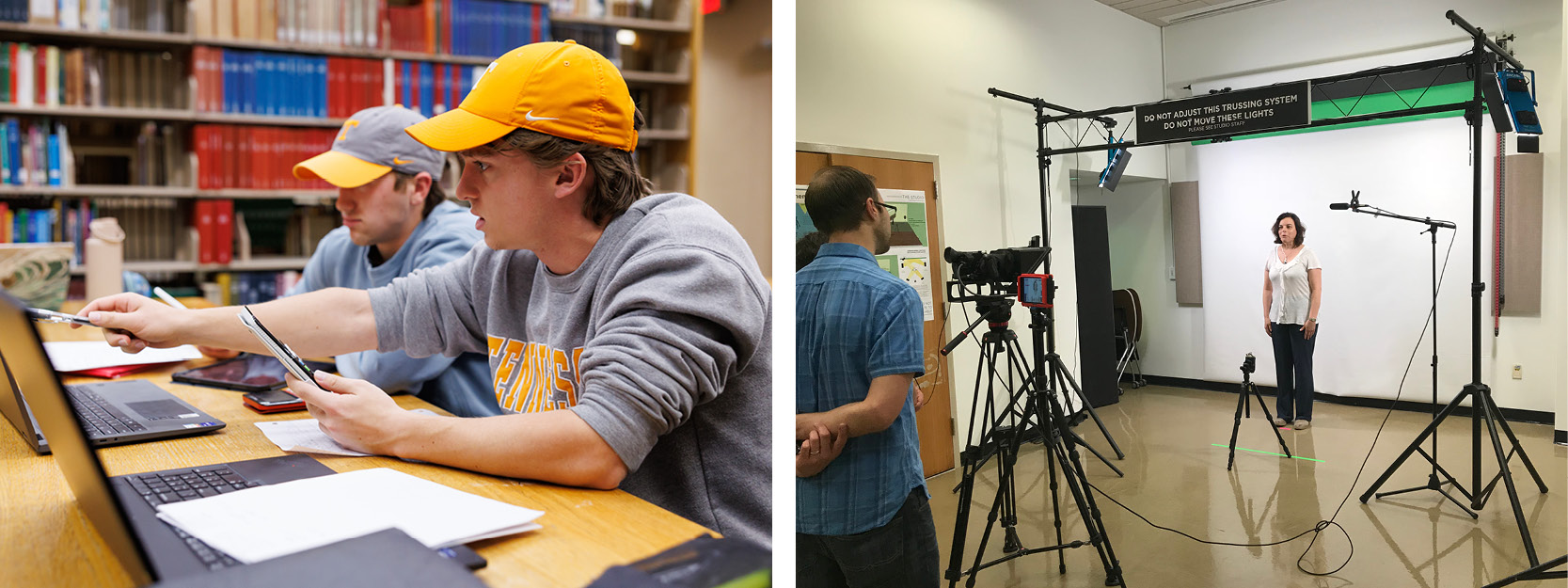
6. The library will help you use media to enhance your project. Why be plain vanilla when you can be media-enhanced? The Studio in Hodges Library provides media workstations, audio and video recording studios, and instruction in their use. Amaze your friends. Amaze your instructors. (Amaze yourself.)
7. Researching online? The library is still your best guide. The library has created online guides to the fundamentals of research and the most authoritative sources in the various academic disciplines. Check out our many research guides.
8. There are special libraries for students in agriculture, veterinary medicine, and music. Two conveniently located branch libraries serve the specialized needs of those disciplines: the George F. DeVine Music Library (G4, Natalie L. Haslam Music Center) and the Webster C. Pendergrass Agriculture and Veterinary Medicine Library (A-113 Veterinary Medical Center).
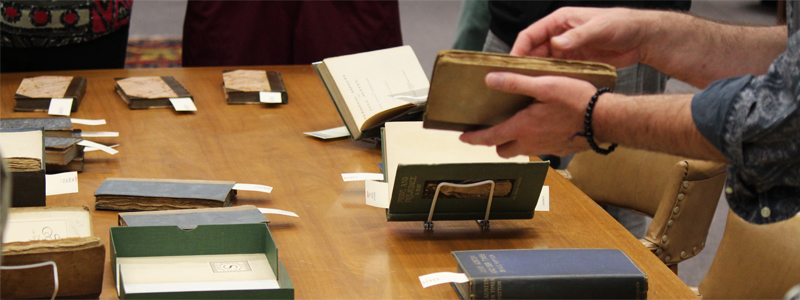
9. The library is preserving bits of Tennessee history and other rare and unique items. Civil War-era letters and diaries. Nineteenth-century photographs of the Great Smoky Mountains. The editorial cartoons of Charlie Daniel. All have been preserved by Special Collections. Selected images from each of the above-mentioned collections are available online as digital collections. Other rare and unique research materials are made available to researchers — including student researchers — in the Special Collections reading room, 121 Hodges Library.
10. You’re social. We’re social. We’d like to invite you to join us on social media. We’re on Facebook, X, YouTube, Instagram, and LinkedIn. Join us, also, for public programming such as the Wilma Dykeman Stokely Memorial Lecture and Boundless: Artists in the Archives.