Exhibit from the Archives: Beauford Delaney, A Rediscovered Genius
Renowned 20th-century modernist painter Beauford Delaney (1901–1979), a native of Knoxville, Tennessee, is the subject of a new exhibition at Hodges Library. Beauford Delaney: Light Beyond the Canvas is on view in the exhibit area on the first floor, just outside Special Collections. Materials will be on display through May of 2026.
In 2022, UT Libraries acquired the complete personal archive of the internationally acclaimed modernist painter. The items on display from the Beauford Delaney Papers hint at the breadth and depth of collections in UT Libraries’ archives.
To commemorate the exhibit, UT Libraries also is releasing a video featuring a preview of compositions by celebrated jazz musician Donald Brown — works which were inspired by the Delaney collection.
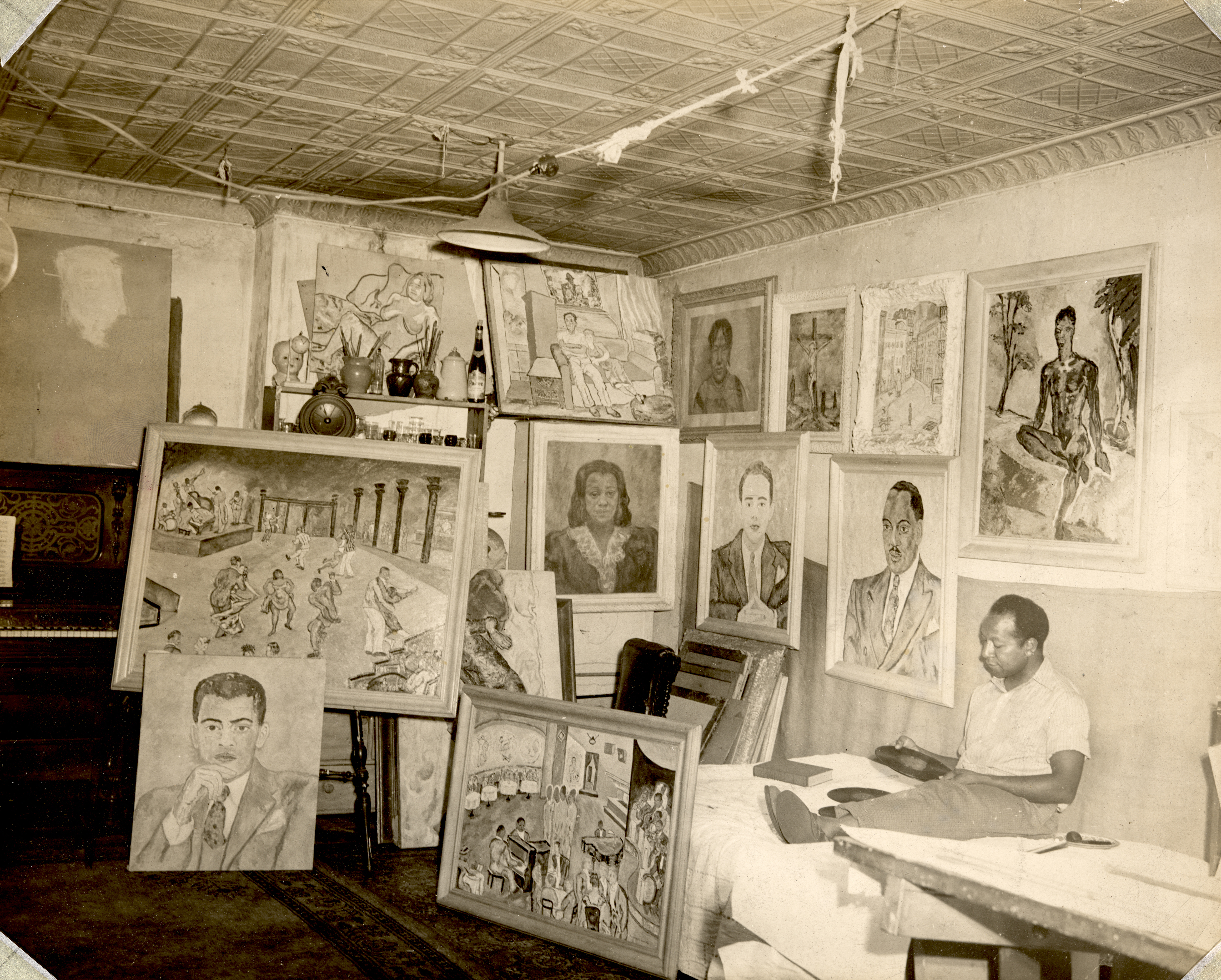
Exploring the exhibit cases is like reading a biography of Delaney. Browsing from left to right in the three built-in display cases along the back wall, the viewer is first introduced to Delaney’s childhood in Knoxville. From a young age, Delaney was known for his artistic talent. His work came to the attention of Lloyd Branson, at the time Knoxville’s best-known artist. With Branson’s encouragement and assistance, Delaney moved to Boston in 1924 to continue his education in art. When he relocated to New York City in 1929, the Harlem Renaissance was under way. Settling in Greenwich Village, Delaney abandoned the realism of his formal training and began creating vibrant abstractions of the urban landscape that he encountered there.
In 1953, Beauford Delaney sailed from New York City to Paris, where he would spend the last 25 years of his life. In Paris, he found inspiration, home, and community.
Delaney helped revolutionize the art of the 20th century through abstract and expressionist painting — all despite battling poverty, prejudice, and mental illness. He achieved an international reputation for his portraits, scenes of city life, and free-form abstractions marked by intense colors, bold contours, and expressive surfaces.
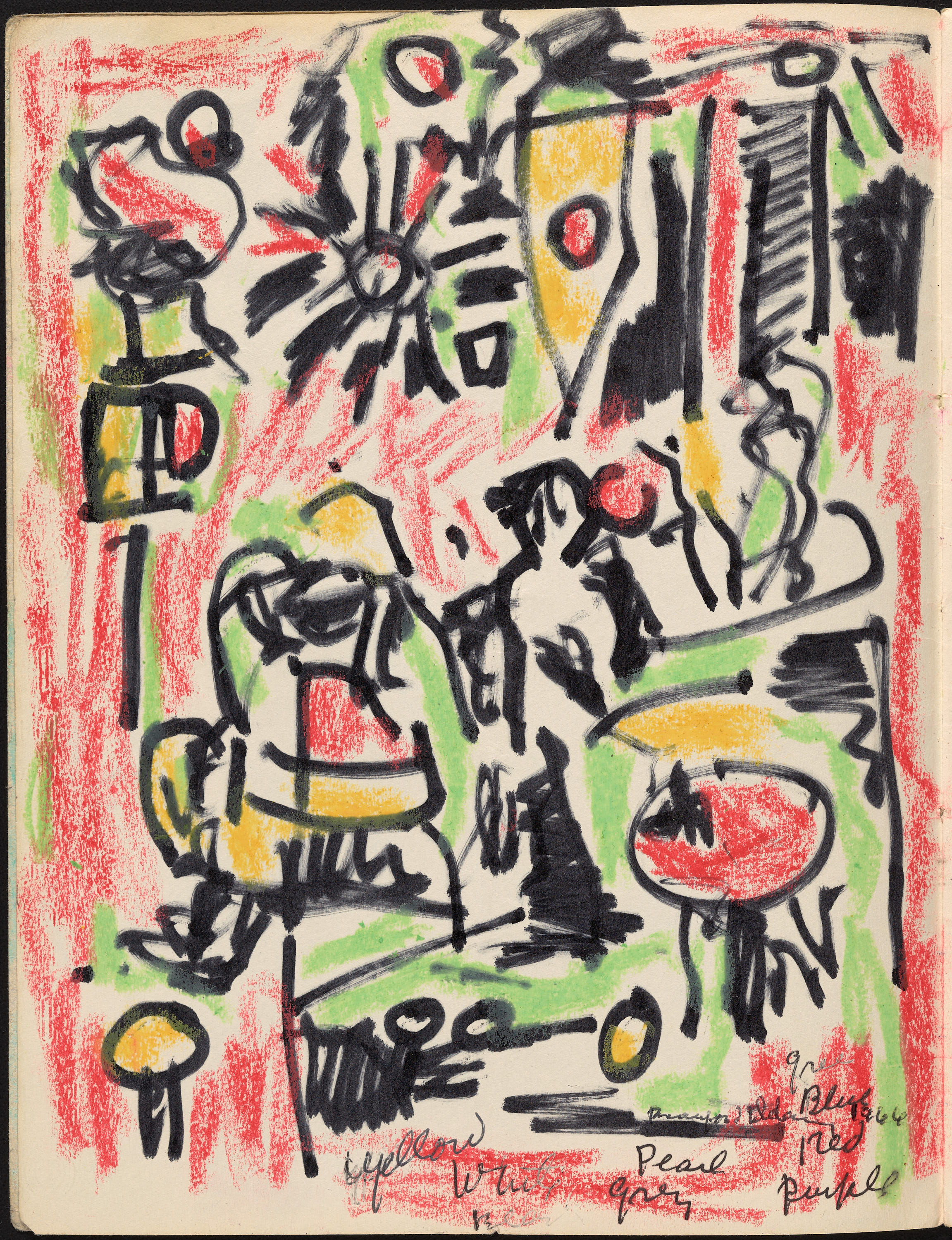
The Beauford Delaney Papers — now part of the Betsey B. Creekmore Special Collections and University Archives — contain correspondence with artistic and literary greats such as James Baldwin, Georgia O’Keeffe, and Henry Miller; family photographs; photographs of Baldwin and other friends; loose sketches; and sketchbooks containing drawings, daily musings, and preliminary studies for some of Delaney’s major paintings. A wide assortment of those items is on display in the first-floor exhibit area.
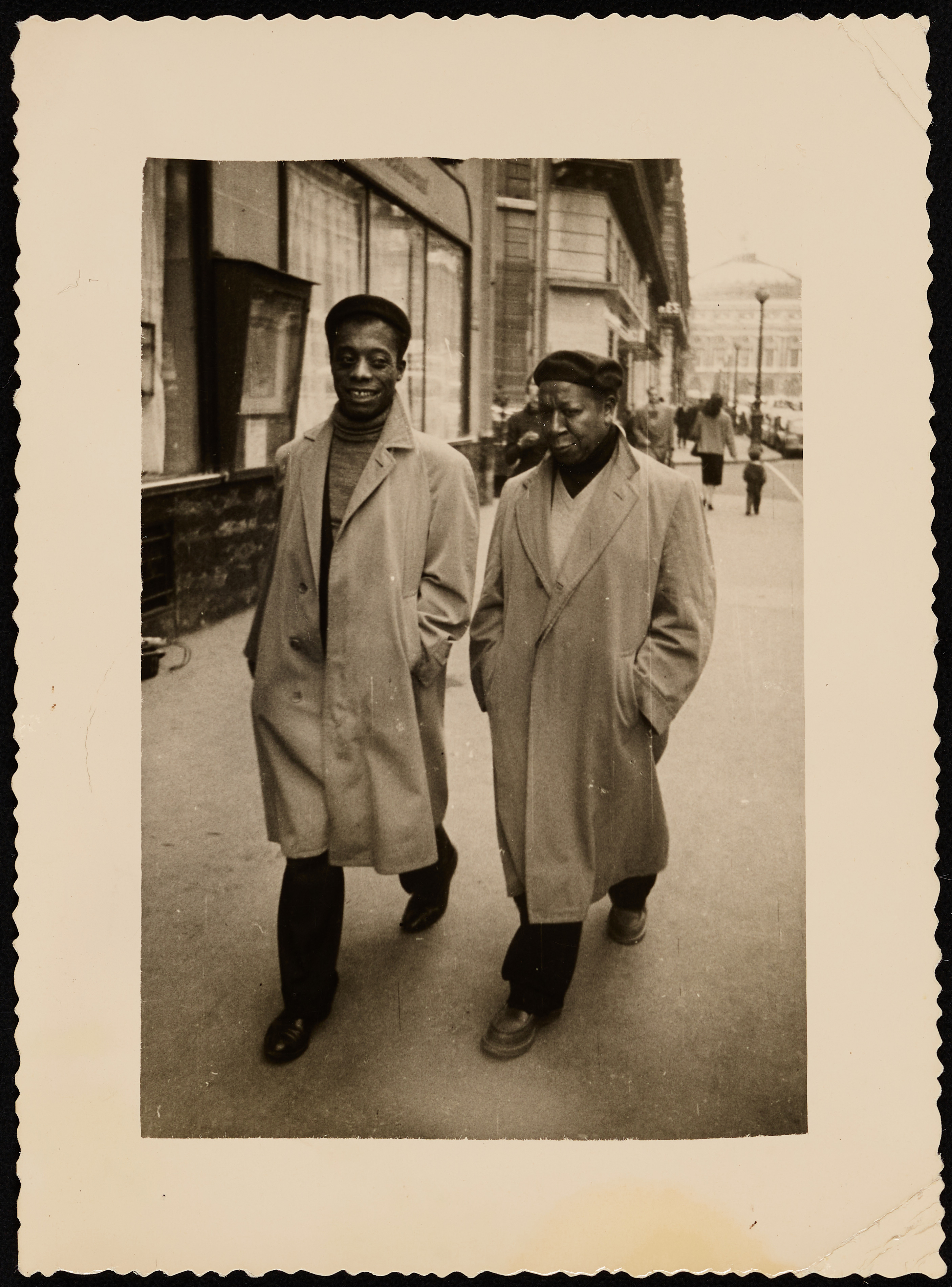
In New York and in Paris, Delaney attracted awed admirers and found many friends in the art world and within literary circles. One of the freestanding cases in the exhibit area highlights those friendships. The display features photographs of Delaney with author James Baldwin, with author Henry Miller, and with numerous other artists and writers who became Delaney’s surrogate family in Paris. Delaney and author James Baldwin met in New York in the 1940s and remained lifelong friends. The two men had much in common: both were Black, both were gay, and both were raised by preachers.
Another display case, across the galleria from the main exhibit area, centers Delaney in the places that shaped his life and his artistic vision. For this section of the exhibition, Katrina Stack, a PhD candidate in geography and a research fellow for the Beauford Delaney Papers, analyzed Delaney’s sense of place through the lens of cultural geography. The standalone case also features some of Delaney’s drawings and paintings of Civil Rights icon Rosa Parks.
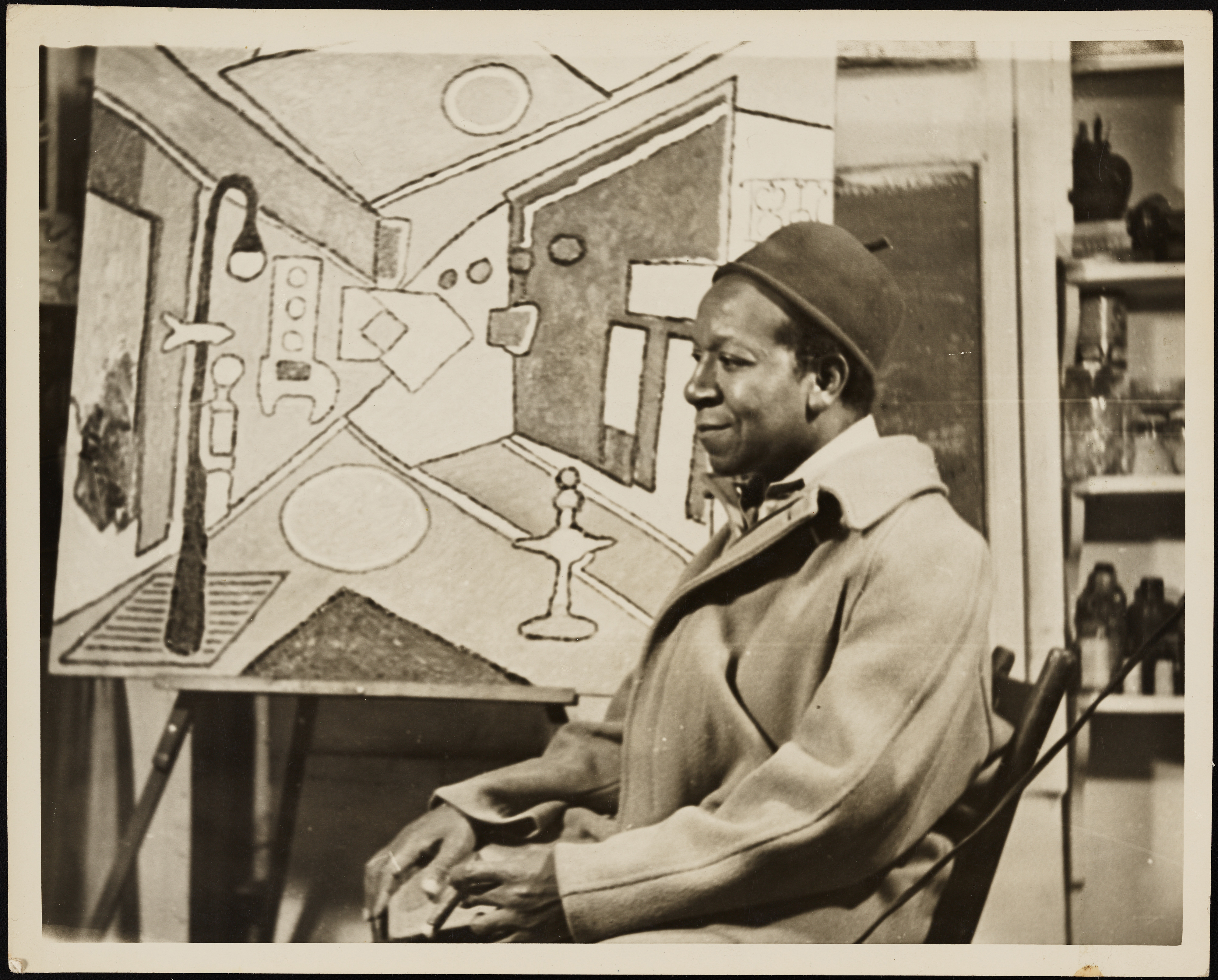
While Delaney never achieved the luminary status or broad audience many agreed he should have had during his lifetime, his talent was seen — and heralded — by some of the art world’s most elite circles.
Today, Delaney’s works are the subject of exhibitions at renowned art museums and are experiencing soaring demand in the art market. A few years ago, one of his abstract portraits of James Baldwin sold at auction for more than a million dollars. Museums including the Museum of Modern Art, the Metropolitan Museum of Art, and the National Portrait Gallery hold his works.
Art historians have mused on the evolution of Delaney’s aesthetic from the figurative compositions of city life painted during his years in New York to abstract expressionist studies of color and light following his move to Paris. Attempts to understand the artist’s stylistic evolution underscore the value of archival collections such as the Beauford Delaney Papers. Such personal archives are vital to biographical research because these collections preserve contemporaneous records created or saved by the person under study.
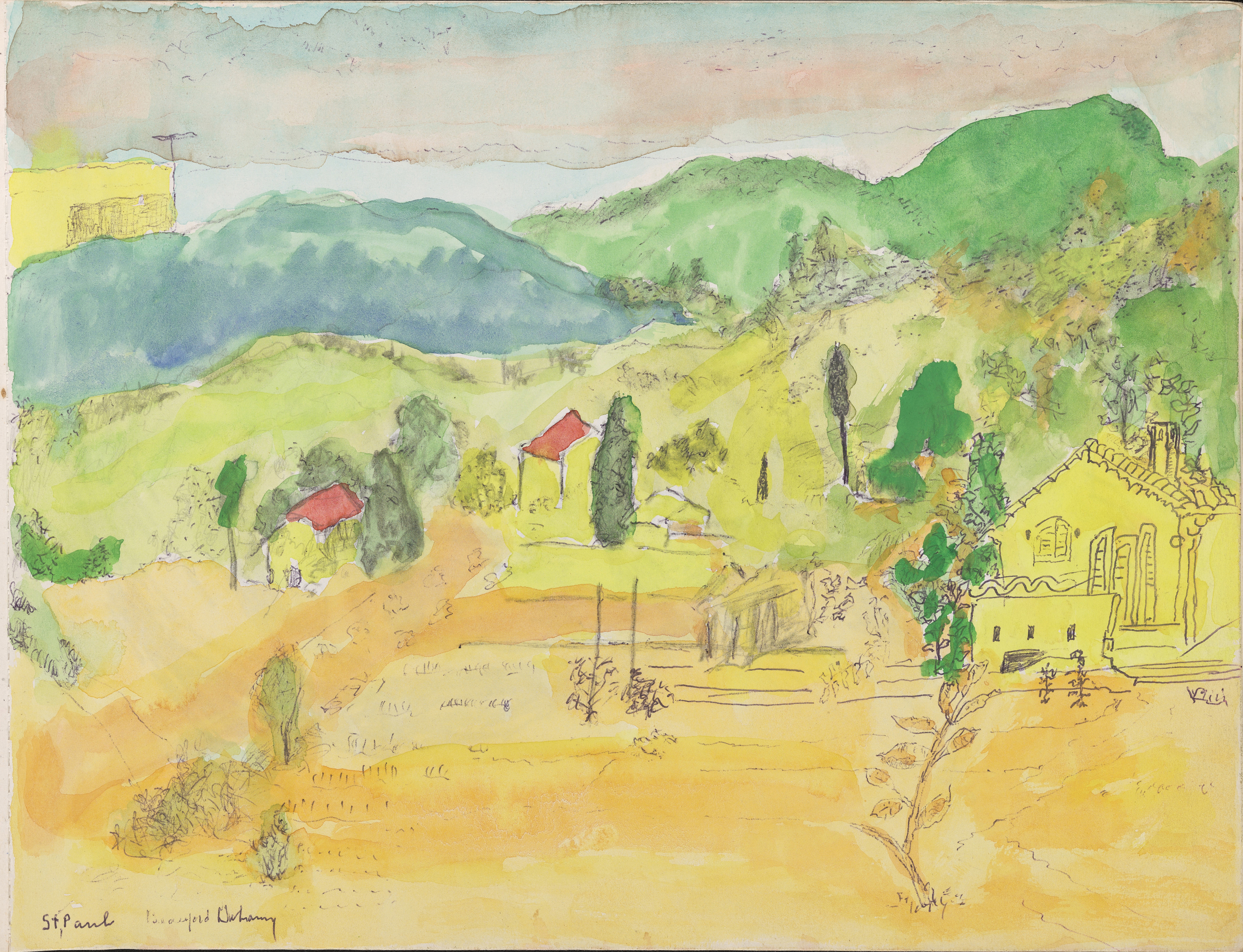
The Beauford Delaney Papers is just one example of the treasures that await scholars who visit the UT Libraries’ archives.
One recent visitor used the archives as inspiration for creating musical compositions. UT Libraries recently hosted the public debut of new compositions from acclaimed jazz pianist Donald Brown. Those jazz compositions were inspired by Brown’s exploration of the Beauford Delaney Papers. The event was part of UT Libraries’ ongoing performance series Boundless: Artists in the Archives. Learn more about Donald Brown’s creative process and view excerpts from the public performance:
___
Images from the Beauford Delaney Papers, MS.3967, Betsey B. Creekmore Special Collections and University Archives, University of Tennessee, Knoxville. Estate of Beauford Delaney by permission of Derek L. Spratley, Esquire.