On the occasion of Dr. Hemant Sharma's promotion to Senior Lecturer
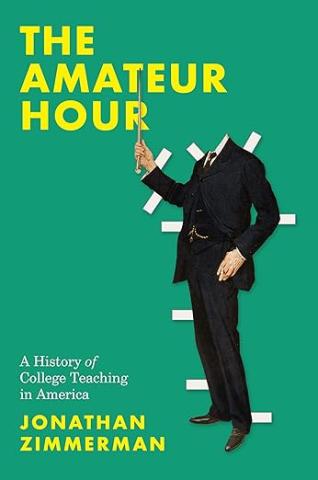
There aren't many books that try to tell the story of college teaching, in terms of how it has evolved (or, not evolved) over the last 200 years in this country. This book offers just such a history of the college education process, dating from the 19th century to the present day. It consider much of what has been done well -- and not so well -- from perspectives of both students and faculty. Today's students will find it interesting to read about what their counterparts in the 1850s did on a daily basis, and in some cases, might be terrified by what their predecessors had to endure (such as reciting whole books word for word from memory!). Today's faculty can also learn from this book's analysis of decades-old debates about things like "televised learning" or the challenges inherent to large lecture classes (which seem to have always been part entertainment and part education). In the end, by grappling with the difficulties facing higher education across generations of teachers and students, this book offers insights that can help educators and pupils in contemporary society to maximize the value of their experiences in the classroom today. It is a worthwhile and entertaining read for both college students and faculty.
The Amateur Hour: A History of College Teaching in America
On the occasion of Dr. Ryan Windeknecht's promotion to Distinguished Lecturer
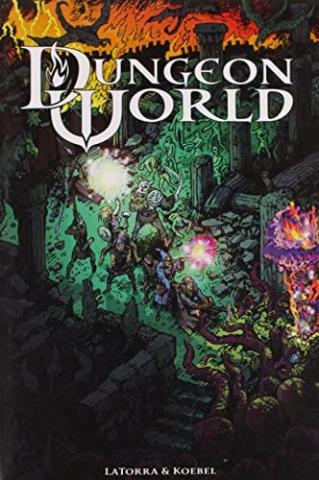
In the Spring of 2016, I tried game-based learning for the first time. The classroom activity I designed was a simple hack of the award-winning, tabletop role-playing game, Dungeon World. Although my activity has taken on a life of its own, I remain indebted to Sage LaTorra and Adam Koebel for writing this love-letter to classic, tabletop role-playing games.