On the occasion of Dr. Luca Giori's tenure and promotion to Associate Professor
During my residency and PhD, I built my knowledge of veterinary clinical pathology by studying the first and, primarily, the second edition of the FVCP. I was fortunate to meet and converse with the authors, Drs. Stockham and Scott. Dr. Stockham even interviewed me for a position at KSU, which I ultimately declined to join UT. His passing in 2019 left a profound void in the veterinary clinical pathology community. He had been working on the third edition alongside Dr. Scott, and while the previous editions played a significant role in my education, this new edition serves as a reminder that learning is a lifelong journey.
Fundamentals of Veterinary Clinical Pathology, 3rd edition
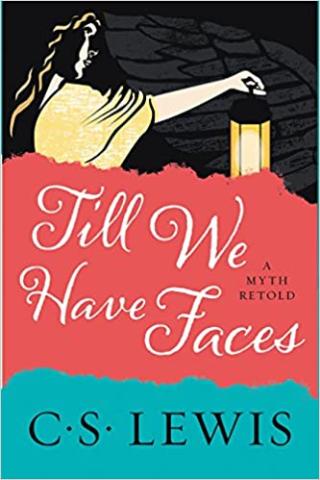
On the occasion of Dr. Kristina Gehrman's tenure and promotion to Associate Professor
I wrote my first "philosophy" paper about this book for a final project in my high school AP English class. It has stayed with me for many reasons, not all of which I can easily explain. The subject matter has a lot to do with it: a close, vexed, loving and deeply flawed lifelong relationship between two (loving and deeply flawed) women; the possibility of redemption or grace for a (deeply flawed) human being; the palpable ineliminability of mystery and concealment as part of the human condition. The authorship of the book is also meaningful to me; my father taught me to read with a children's book by C.S. Lewis. And the provenance of this particular work represents the chronically obscured but essential status of women in the history of philosophy. (The listed author is Lewis, but the book was coauthored by him and his wife, Joy Davidman, and he could not have written it alone.) Finally, this novel is created by weaving together and deliberately, creatively blurring boundaries between ancient Greek and Christian theological themes. The significance of that hybrid beast to our own cultural ethics and cosmologies is a central topic of my own philosophical research.
On the occasion of Dr. Bente Flatland's promotion to Professor
I have great affection for the bully breeds. My own dog, an American Staffordshire terrier mix, has been my loving and loyal companion for many years. I chose this book to help facilitate public understanding of these dogs and their history, as a means of advocating for them. As the author discusses, our perceptions of pit bulls intersect issues of economics, class, and race - a timely example of how societal issues can impact the human-animal bond, with real consequences for the dogs and their owners.
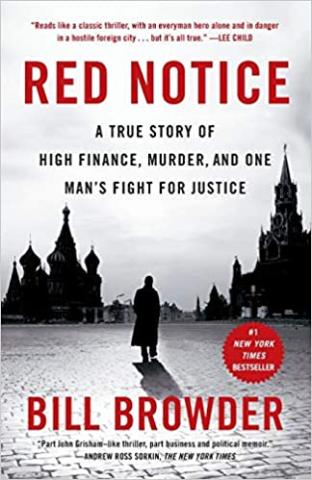
On the occasion of the promotion of Dr. Larry Fauver to Professor
Corruption, greed, and finance have always interested me. This book reads like a fiction crime novel but it's based on actual events. It's amazing to see how one person can make such a huge difference.
Red Notice: A True Story of High Finance, Murder, and One Man's Fight for Justice
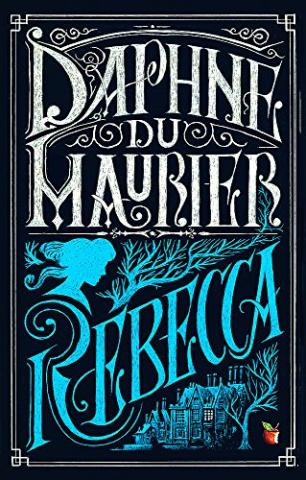
On the occasion of Dr. Rachel McCord Ellestad's promotion to Senior Lecturer
This has been my favorite book since reading it in English in high school. In studying engineering, we tend to get hyper focused on only the world of science and math - but we also need to look at the world around us and see the beauty in art, music, literature, and movement. In selecting this dark and witty tale, I encourage all of us to be willing to branch out and learn a little more about areas outside of our field of expertise.
On the occasion of Dr. Chris Elledge's tenure and promotion to Associate Professor
I selected the book entitled Coercive Family Process because it presents seminal work informing the understanding and treatment of child aggression. This book significantly impacted how I think about processes within families that initiate, sustain, and escalate behaviors within a system.
A Social Learning Approach to Family Intervention, Volume 3: Coercive Family Process